Old Testament
Genesis Exodus Levitikus Numeri Deuteronomium Josua Richter Rut 1 Samuel 2 Samuel 1 Könige 2 Könige 1 Chronik 2 Chronik Esra Nehemia Ester Hiob Psalm Sprüche Prediger Hohelied Jesaja Jeremia Klagelieder Hesekiel Daniel Hosea Joel Amos Obadja Jona Micha Nahum Habakuk Zephanja Haggai Sacharja MaleachiChapter
Psalm 1 Psalm 2 Psalm 3 Psalm 4 Psalm 5 Psalm 6 Psalm 7 Psalm 8 Psalm 9 Psalm 10 Psalm 11 Psalm 12 Psalm 13 Psalm 14 Psalm 15 Psalm 16 Psalm 17 Psalm 18 Psalm 19 Psalm 20 Psalm 21 Psalm 22 Psalm 23 Psalm 24 Psalm 25 Psalm 26 Psalm 27 Psalm 28 Psalm 29 Psalm 30 Psalm 31 Psalm 32 Psalm 33 Psalm 34 Psalm 35 Psalm 36 Psalm 37 Psalm 38 Psalm 39 Psalm 40 Psalm 41 Psalm 42 Psalm 43 Psalm 44 Psalm 45 Psalm 46 Psalm 47 Psalm 48 Psalm 49 Psalm 50 Psalm 51 Psalm 52 Psalm 53 Psalm 54 Psalm 55 Psalm 56 Psalm 57 Psalm 58 Psalm 59 Psalm 60 Psalm 61 Psalm 62 Psalm 63 Psalm 64 Psalm 65 Psalm 66 Psalm 67 Psalm 68 Psalm 69 Psalm 70 Psalm 71 Psalm 72 Psalm 73 Psalm 74 Psalm 75 Psalm 76 Psalm 77 Psalm 78 Psalm 79 Psalm 80 Psalm 81 Psalm 82 Psalm 83 Psalm 84 Psalm 85 Psalm 86 Psalm 87 Psalm 88 Psalm 89 Psalm 90 Psalm 91 Psalm 92 Psalm 93 Psalm 94 Psalm 95 Psalm 96 Psalm 97 Psalm 98 Psalm 99 Psalm 100 Psalm 101 Psalm 102 Psalm 103 Psalm 104 Psalm 105 Psalm 106 Psalm 107 Psalm 108 Psalm 109 Psalm 110 Psalm 111 Psalm 112 Psalm 113 Psalm 114 Psalm 115 Psalm 116 Psalm 117 Psalm 118 Psalm 119 Psalm 120 Psalm 121 Psalm 122 Psalm 123 Psalm 124 Psalm 125 Psalm 126 Psalm 127 Psalm 128 Psalm 129 Psalm 130 Psalm 131 Psalm 132 Psalm 133 Psalm 134 Psalm 135 Psalm 136 Psalm 137 Psalm 138 Psalm 139 Psalm 140 Psalm 141 Psalm 142 Psalm 143 Psalm 144 Psalm 145 Psalm 146 Psalm 147 Psalm 148 Psalm 149 Psalm 150Verse
Psalm 119:1 Psalm 119:2 Psalm 119:3 Psalm 119:4 Psalm 119:5 Psalm 119:6 Psalm 119:7 Psalm 119:8 Psalm 119:9 Psalm 119:10 Psalm 119:11 Psalm 119:12 Psalm 119:13 Psalm 119:14 Psalm 119:15 Psalm 119:16 Psalm 119:17 Psalm 119:18 Psalm 119:19 Psalm 119:20 Psalm 119:21 Psalm 119:22 Psalm 119:23 Psalm 119:24 Psalm 119:25 Psalm 119:26 Psalm 119:27 Psalm 119:28 Psalm 119:29 Psalm 119:30 Psalm 119:31 Psalm 119:32 Psalm 119:33 Psalm 119:34 Psalm 119:35 Psalm 119:36 Psalm 119:37 Psalm 119:38 Psalm 119:39 Psalm 119:40 Psalm 119:41 Psalm 119:42 Psalm 119:43 Psalm 119:44 Psalm 119:45 Psalm 119:46 Psalm 119:47 Psalm 119:48 Psalm 119:49 Psalm 119:50 Psalm 119:51 Psalm 119:52 Psalm 119:53 Psalm 119:54 Psalm 119:55 Psalm 119:56 Psalm 119:57 Psalm 119:58 Psalm 119:59 Psalm 119:60 Psalm 119:61 Psalm 119:62 Psalm 119:63 Psalm 119:64 Psalm 119:65 Psalm 119:66 Psalm 119:67 Psalm 119:68 Psalm 119:69 Psalm 119:70 Psalm 119:71 Psalm 119:72 Psalm 119:73 Psalm 119:74 Psalm 119:75 Psalm 119:76 Psalm 119:77 Psalm 119:78 Psalm 119:79 Psalm 119:80 Psalm 119:81 Psalm 119:82 Psalm 119:83 Psalm 119:84 Psalm 119:85 Psalm 119:86 Psalm 119:87 Psalm 119:88 Psalm 119:89 Psalm 119:90 Psalm 119:91 Psalm 119:92 Psalm 119:93 Psalm 119:94 Psalm 119:95 Psalm 119:96 Psalm 119:97 Psalm 119:98 Psalm 119:99 Psalm 119:100 Psalm 119:101 Psalm 119:102 Psalm 119:103 Psalm 119:104 Psalm 119:105 Psalm 119:106 Psalm 119:107 Psalm 119:108 Psalm 119:109 Psalm 119:110 Psalm 119:111 Psalm 119:112 Psalm 119:113 Psalm 119:114 Psalm 119:115 Psalm 119:116 Psalm 119:117 Psalm 119:118 Psalm 119:119 Psalm 119:120 Psalm 119:121 Psalm 119:122 Psalm 119:123 Psalm 119:124 Psalm 119:125 Psalm 119:126 Psalm 119:127 Psalm 119:128 Psalm 119:129 Psalm 119:130 Psalm 119:131 Psalm 119:132 Psalm 119:133 Psalm 119:134 Psalm 119:135 Psalm 119:136 Psalm 119:137 Psalm 119:138 Psalm 119:139 Psalm 119:140 Psalm 119:141 Psalm 119:142 Psalm 119:143 Psalm 119:144 Psalm 119:145 Psalm 119:146 Psalm 119:147 Psalm 119:148 Psalm 119:149 Psalm 119:150 Psalm 119:151 Psalm 119:152 Psalm 119:153 Psalm 119:154 Psalm 119:155 Psalm 119:156 Psalm 119:157 Psalm 119:158 Psalm 119:159 Psalm 119:160 Psalm 119:161 Psalm 119:162 Psalm 119:163 Psalm 119:164 Psalm 119:165 Psalm 119:166 Psalm 119:167 Psalm 119:168 Psalm 119:169 Psalm 119:170 Psalm 119:171 Psalm 119:172 Psalm 119:173 Psalm 119:174 Psalm 119:175 Psalm 119:176

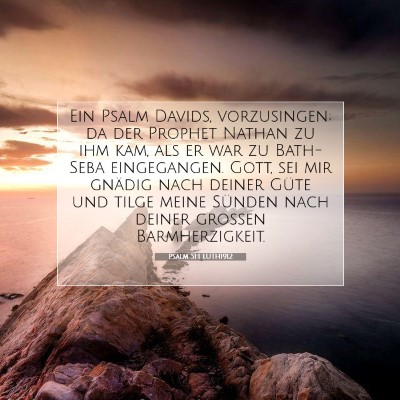
Psalm 119, Vers 149 (LUTH1912): Höre meine Stimme nach deiner Gnade; HERR, erquicke mich nach deinen Rechten.
Sofortiger Kontext: Der Vers gehört zum längsten Psalm, der sich mit dem Gesetz Gottes beschäftigt. Hier tritt der Psalmist in einer persönlichen Bitte vor Gott: Er bittet um Aufmerksamkeit für seine Stimme, weil er in Gottes Gnade und gerechter Ordnung zu finden glaubt. Die Formulierung verbindet eine innere Dringlichkeit mit dem Vertrauen, dass Gottes Rechte und Treue ihm Erquickung schenken.
Was dieser Text über Gott und den Glauben offenbart
Der Vers betont zwei zentrale Charakterzüge Gottes: Gnade und Recht. Die Bitte „höre meine Stimme nach deiner Gnade“ zeigt, dass Gottes Barmherzigkeit der Rahmen ist, in dem der Gläubige zu Gott kommt. Gleichzeitig wird an die „Rechte“ Gottes erinnert – seine verbindlichen, gerechten Maßstäbe, die dem Gläubigen Lebenshilfe geben. So verbindet der Psalmist Anrufung und Vertrauen: Gottes Gnade öffnet den Zugang, Gottes Rechte gewähren Orientierung und Erquickung.
Wichtige Begriffe und Bilder
Verwandte Passagen (Cross-References)
– Psalm 51, verse 3–4: Die Bitte um Gnade und die Kenntnis von Gottes Recht zeigen eine ähnliche Haltung reuigen Herzens vor Gott. Die Erkennung der Sünde wird hier mit der Bitte um Erquickung verbunden. Kurze Verbindung: Bereitwillige Abkehr von Schuld führt zu Gottes Erneuerung.
– Psalm 32, Vers 8: Gottes Führungspredigt und Anleitung sind eine Form des Erquickens, die dem Gläubigen Orientierung gibt. Kurze Verbindung: Gnade führt zu Erkenntnis und Wegweisung.
– Johannes 6, 37–38: Jesu Zusage, die zu ihm kommen, werde er keineswegs verstoßen; Gnade ruft zur Erquickung durch seine Worte und Werke. Kurze Verbindung: Gnade und Eingebung Gottes bewirken neue Lebensnähe.
Historisch-poetische Aussprache (Henry, Barnes, Clarke)
Matthew Henry hebt hervor, dass der Beter nicht auf Verdienste pocht, sondern auf die freigebige Gnade Gottes vertraut, damit die Seele Kraft finde. Albert Barnes betont die Personalität des Gottesdienstes: Gottes Stimme hört auf solche Anliegen, weil sie im Einklang mit seiner Rechtsordnung stehen. Adam Clarke erinnert daran, dass „nach deiner Gnade“ nicht nur spirituelle Trostsuche bezeichnet, sondern die notwendige Grundlage für das rechte Verstehen und Befolgen von Gottes Geboten bildet.
Praxis heute
Dieses Verspaar erinnert daran, dass unser Zugang zu Gott von seiner Barmherzigkeit her gerechtfertigt wird. In Momenten der Schwäche schreien wir nach Erquickung durch Gottes Rechte – nicht als Versuch, uns zu rechtfertigen, sondern um durch Gottes Kraft in der Nachfolge gestärkt zu werden. Die Kombination aus Gnade und Recht bietet Orientierung: Wir bitten um Gottes freundliche Aufmerksamkeit, damit unser Leben im Einklang mit seinem Gesetz wächst.
Schlüsselerkenntnis: Gottes Gnade öffnet die Tür, seine Rechte geben Struktur. In beidem finden wir die Quelle geistlicher Erneuerung.
Beispielhafte prägnante Anwendung: In Übungszeiten des Glaubens wende dich in Gebet an Gott: Bitte um seine Gnade, damit du seine Wege besser verstehst, und suche gleichzeitig nach Wegen, sein Gesetz in deinem Alltag zu leben.