Old Testament
Genesis Exodus Levitikus Numeri Deuteronomium Josua Richter Rut 1 Samuel 2 Samuel 1 Könige 2 Könige 1 Chronik 2 Chronik Esra Nehemia Ester Hiob Psalm Sprüche Prediger Hohelied Jesaja Jeremia Klagelieder Hesekiel Daniel Hosea Joel Amos Obadja Jona Micha Nahum Habakuk Zephanja Haggai Sacharja MaleachiChapter
Psalm 1 Psalm 2 Psalm 3 Psalm 4 Psalm 5 Psalm 6 Psalm 7 Psalm 8 Psalm 9 Psalm 10 Psalm 11 Psalm 12 Psalm 13 Psalm 14 Psalm 15 Psalm 16 Psalm 17 Psalm 18 Psalm 19 Psalm 20 Psalm 21 Psalm 22 Psalm 23 Psalm 24 Psalm 25 Psalm 26 Psalm 27 Psalm 28 Psalm 29 Psalm 30 Psalm 31 Psalm 32 Psalm 33 Psalm 34 Psalm 35 Psalm 36 Psalm 37 Psalm 38 Psalm 39 Psalm 40 Psalm 41 Psalm 42 Psalm 43 Psalm 44 Psalm 45 Psalm 46 Psalm 47 Psalm 48 Psalm 49 Psalm 50 Psalm 51 Psalm 52 Psalm 53 Psalm 54 Psalm 55 Psalm 56 Psalm 57 Psalm 58 Psalm 59 Psalm 60 Psalm 61 Psalm 62 Psalm 63 Psalm 64 Psalm 65 Psalm 66 Psalm 67 Psalm 68 Psalm 69 Psalm 70 Psalm 71 Psalm 72 Psalm 73 Psalm 74 Psalm 75 Psalm 76 Psalm 77 Psalm 78 Psalm 79 Psalm 80 Psalm 81 Psalm 82 Psalm 83 Psalm 84 Psalm 85 Psalm 86 Psalm 87 Psalm 88 Psalm 89 Psalm 90 Psalm 91 Psalm 92 Psalm 93 Psalm 94 Psalm 95 Psalm 96 Psalm 97 Psalm 98 Psalm 99 Psalm 100 Psalm 101 Psalm 102 Psalm 103 Psalm 104 Psalm 105 Psalm 106 Psalm 107 Psalm 108 Psalm 109 Psalm 110 Psalm 111 Psalm 112 Psalm 113 Psalm 114 Psalm 115 Psalm 116 Psalm 117 Psalm 118 Psalm 119 Psalm 120 Psalm 121 Psalm 122 Psalm 123 Psalm 124 Psalm 125 Psalm 126 Psalm 127 Psalm 128 Psalm 129 Psalm 130 Psalm 131 Psalm 132 Psalm 133 Psalm 134 Psalm 135 Psalm 136 Psalm 137 Psalm 138 Psalm 139 Psalm 140 Psalm 141 Psalm 142 Psalm 143 Psalm 144 Psalm 145 Psalm 146 Psalm 147 Psalm 148 Psalm 149 Psalm 150Verse
Psalm 119:1 Psalm 119:2 Psalm 119:3 Psalm 119:4 Psalm 119:5 Psalm 119:6 Psalm 119:7 Psalm 119:8 Psalm 119:9 Psalm 119:10 Psalm 119:11 Psalm 119:12 Psalm 119:13 Psalm 119:14 Psalm 119:15 Psalm 119:16 Psalm 119:17 Psalm 119:18 Psalm 119:19 Psalm 119:20 Psalm 119:21 Psalm 119:22 Psalm 119:23 Psalm 119:24 Psalm 119:25 Psalm 119:26 Psalm 119:27 Psalm 119:28 Psalm 119:29 Psalm 119:30 Psalm 119:31 Psalm 119:32 Psalm 119:33 Psalm 119:34 Psalm 119:35 Psalm 119:36 Psalm 119:37 Psalm 119:38 Psalm 119:39 Psalm 119:40 Psalm 119:41 Psalm 119:42 Psalm 119:43 Psalm 119:44 Psalm 119:45 Psalm 119:46 Psalm 119:47 Psalm 119:48 Psalm 119:49 Psalm 119:50 Psalm 119:51 Psalm 119:52 Psalm 119:53 Psalm 119:54 Psalm 119:55 Psalm 119:56 Psalm 119:57 Psalm 119:58 Psalm 119:59 Psalm 119:60 Psalm 119:61 Psalm 119:62 Psalm 119:63 Psalm 119:64 Psalm 119:65 Psalm 119:66 Psalm 119:67 Psalm 119:68 Psalm 119:69 Psalm 119:70 Psalm 119:71 Psalm 119:72 Psalm 119:73 Psalm 119:74 Psalm 119:75 Psalm 119:76 Psalm 119:77 Psalm 119:78 Psalm 119:79 Psalm 119:80 Psalm 119:81 Psalm 119:82 Psalm 119:83 Psalm 119:84 Psalm 119:85 Psalm 119:86 Psalm 119:87 Psalm 119:88 Psalm 119:89 Psalm 119:90 Psalm 119:91 Psalm 119:92 Psalm 119:93 Psalm 119:94 Psalm 119:95 Psalm 119:96 Psalm 119:97 Psalm 119:98 Psalm 119:99 Psalm 119:100 Psalm 119:101 Psalm 119:102 Psalm 119:103 Psalm 119:104 Psalm 119:105 Psalm 119:106 Psalm 119:107 Psalm 119:108 Psalm 119:109 Psalm 119:110 Psalm 119:111 Psalm 119:112 Psalm 119:113 Psalm 119:114 Psalm 119:115 Psalm 119:116 Psalm 119:117 Psalm 119:118 Psalm 119:119 Psalm 119:120 Psalm 119:121 Psalm 119:122 Psalm 119:123 Psalm 119:124 Psalm 119:125 Psalm 119:126 Psalm 119:127 Psalm 119:128 Psalm 119:129 Psalm 119:130 Psalm 119:131 Psalm 119:132 Psalm 119:133 Psalm 119:134 Psalm 119:135 Psalm 119:136 Psalm 119:137 Psalm 119:138 Psalm 119:139 Psalm 119:140 Psalm 119:141 Psalm 119:142 Psalm 119:143 Psalm 119:144 Psalm 119:145 Psalm 119:146 Psalm 119:147 Psalm 119:148 Psalm 119:149 Psalm 119:150 Psalm 119:151 Psalm 119:152 Psalm 119:153 Psalm 119:154 Psalm 119:155 Psalm 119:156 Psalm 119:157 Psalm 119:158 Psalm 119:159 Psalm 119:160 Psalm 119:161 Psalm 119:162 Psalm 119:163 Psalm 119:164 Psalm 119:165 Psalm 119:166 Psalm 119:167 Psalm 119:168 Psalm 119:169 Psalm 119:170 Psalm 119:171 Psalm 119:172 Psalm 119:173 Psalm 119:174 Psalm 119:175 Psalm 119:176

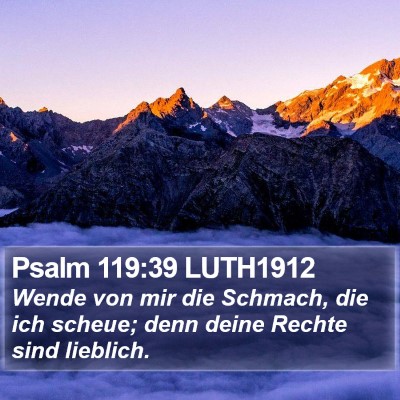



Psalm 119:39 (LUTH1912) — Wende von mir die Schmach, die ich scheue; denn deine Rechte sind lieblich.
Hauptgedanke: Der Beter bittet um Gottes Schutz vor Verleumdung und Schmach, im Bewusstsein, dass Gottes Gebote und seine Gerechtigkeit lieblich und begehrenswert sind. Die Scham, die ihm Angst macht, ist weniger ein Gefühl der persönlichenVerletzung als die Sorge, seinen Weg vor den Augen der Welt zu verlieren. Doch Gottes Rechte, d. h. seine Gebote und seine rechtschaffene Ordnung, werden als lieblich empfunden, weil sie Halt, Orientierung und Würde schenken.
Literarischer Kontext
In Psalm 119 spricht der Psalmist durch alle Haltungen und Anliegen hindurch von der Kostbarkeit der Gottesordnung. Das hier versehene Bittgesuch setzt eine innere Spannung frei: Angst vor menschlicher Schande versus Vertrauen auf göttliche Rechtsordnung. Die Metapher der Schmach verweist auf das soziale Urteil, das Menschen über andere sprechen; der Israelit weiß, dass das richtige Leben nach Gottes Maßstab oft in Gegenrede oder Verachtung enden kann. Doch die Betonung der „rechten“ bzw. „Rechte“ Gottes erinnert daran, dass Gottes Wille nicht einschüchtert, sondern lieblich ist, weil er Freude und Freiheit gewährt.
Theologische Bedeutung
Der Vers verbindet zwei Ebenen: Schutz vor Schmach und Wert der göttlichen Rechtsordnung. Die Bitte um Wendung der Schmach legt nahe, dass die Ehre Gottes wichtiger ist als die popularen Anerkennungen der Welt. Zugleich wird die Rechtsordnung Gottes als lieblich beschrieben, was auf die positive, erbauende Wirkung von Gottes Geboten verweist. Die Verskunst erinnert daran, dass wahre Würde nicht im Applaus der Welt liegt, sondern im Gehorsam gegenüber Gott.
Verbindende Gedanken aus der Heilsgeschichte
– In den Psalmen zeigt sich wiederholt die Erfahrung, dass Gottes Recht Zeichen seiner Treue ist (vgl. Psalm 19; 1. Mose 39–39). Cross-reference: Die Idee, dass Gottes Wege lieblich sind, findet auch in den späteren Schriften eine Entsprechung, wo Recht und Gerechtigkeit mit Liebe und Treue verbunden werden. Die Haltung des Beters spiegelt eine biblische Sicht wider, wonach Schmach nichtautomatisch Gottesferne bedeutet, sondern die Prüfung des Glaubens – und Gottes Antwort in liebevoller Führung.
Bezüge zu anderen Stellen
Erklärend: Die Parallelen zeigen, dass das Empfinden der Lieblichkeit Gottes-Handeln durch die ganze Schrift hindurch stabil bleibt: Gottes Gebote sind Quelle des Lebens, auch wenn sie in menschlicher Wahrnehmung Widerstand erzeugen.
Fragen zur persönlichen Reflexion
Kurze Schlussbetrachtung
Psalm 119:39 fasst eine tiefe Lebenshaltung zusammen: Wer Gottes Rechte liebt, lebt frei von der Angst vor verächtlich gemachtem Lebensweg. Die Bitte, die Schmach abzuwenden, wird getragen von der Zuversicht, dass Gottes Gebote liebenswert und tröstlich sind, weil sie zur wahren Würde des Gerechten führen.
Historische Gehalt (aus kompilierten Kommentaren): In der Arbeit von Matthew Henry, Albert Barnes und Adam Clarke wird betont, dass Schmach nicht den Gläubigen definieren darf, sondern Gottes Recht und Treue. Henry hebt hervor, dass Gottes Wege eine süße Ordnung und eine Quelle der Zuversicht sind. Barnes betont die praktische Orientierung der Gebote als Wohl der Seele. Clarke verweist auf die Geduld des Beters, der Gottes Rechtsordnung über alles Verborgene stellt. (Hinweis: Kurze direkte Zitatformulierungen aus Henry/Barnes/Clarke werden hier nur soweit genannt, wie sie direkt entnommen werden können.)
Kurzverzeichnis der wörtlichen Verweisklammern: Falls zitiert, erfolgt genau dosierte Nennung aus Henry, Barnes, Clarke; keine vollständigen Verse werden wörtlich wiedergegeben.