Old Testament
Genesis Exodus Levitikus Numeri Deuteronomium Josua Richter Rut 1 Samuel 2 Samuel 1 Könige 2 Könige 1 Chronik 2 Chronik Esra Nehemia Ester Hiob Psalm Sprüche Prediger Hohelied Jesaja Jeremia Klagelieder Hesekiel Daniel Hosea Joel Amos Obadja Jona Micha Nahum Habakuk Zephanja Haggai Sacharja MaleachiChapter
Psalm 1 Psalm 2 Psalm 3 Psalm 4 Psalm 5 Psalm 6 Psalm 7 Psalm 8 Psalm 9 Psalm 10 Psalm 11 Psalm 12 Psalm 13 Psalm 14 Psalm 15 Psalm 16 Psalm 17 Psalm 18 Psalm 19 Psalm 20 Psalm 21 Psalm 22 Psalm 23 Psalm 24 Psalm 25 Psalm 26 Psalm 27 Psalm 28 Psalm 29 Psalm 30 Psalm 31 Psalm 32 Psalm 33 Psalm 34 Psalm 35 Psalm 36 Psalm 37 Psalm 38 Psalm 39 Psalm 40 Psalm 41 Psalm 42 Psalm 43 Psalm 44 Psalm 45 Psalm 46 Psalm 47 Psalm 48 Psalm 49 Psalm 50 Psalm 51 Psalm 52 Psalm 53 Psalm 54 Psalm 55 Psalm 56 Psalm 57 Psalm 58 Psalm 59 Psalm 60 Psalm 61 Psalm 62 Psalm 63 Psalm 64 Psalm 65 Psalm 66 Psalm 67 Psalm 68 Psalm 69 Psalm 70 Psalm 71 Psalm 72 Psalm 73 Psalm 74 Psalm 75 Psalm 76 Psalm 77 Psalm 78 Psalm 79 Psalm 80 Psalm 81 Psalm 82 Psalm 83 Psalm 84 Psalm 85 Psalm 86 Psalm 87 Psalm 88 Psalm 89 Psalm 90 Psalm 91 Psalm 92 Psalm 93 Psalm 94 Psalm 95 Psalm 96 Psalm 97 Psalm 98 Psalm 99 Psalm 100 Psalm 101 Psalm 102 Psalm 103 Psalm 104 Psalm 105 Psalm 106 Psalm 107 Psalm 108 Psalm 109 Psalm 110 Psalm 111 Psalm 112 Psalm 113 Psalm 114 Psalm 115 Psalm 116 Psalm 117 Psalm 118 Psalm 119 Psalm 120 Psalm 121 Psalm 122 Psalm 123 Psalm 124 Psalm 125 Psalm 126 Psalm 127 Psalm 128 Psalm 129 Psalm 130 Psalm 131 Psalm 132 Psalm 133 Psalm 134 Psalm 135 Psalm 136 Psalm 137 Psalm 138 Psalm 139 Psalm 140 Psalm 141 Psalm 142 Psalm 143 Psalm 144 Psalm 145 Psalm 146 Psalm 147 Psalm 148 Psalm 149 Psalm 150Verse
Psalm 78:1 Psalm 78:2 Psalm 78:3 Psalm 78:4 Psalm 78:5 Psalm 78:6 Psalm 78:7 Psalm 78:8 Psalm 78:9 Psalm 78:10 Psalm 78:11 Psalm 78:12 Psalm 78:13 Psalm 78:14 Psalm 78:15 Psalm 78:16 Psalm 78:17 Psalm 78:18 Psalm 78:19 Psalm 78:20 Psalm 78:21 Psalm 78:22 Psalm 78:23 Psalm 78:24 Psalm 78:25 Psalm 78:26 Psalm 78:27 Psalm 78:28 Psalm 78:29 Psalm 78:30 Psalm 78:31 Psalm 78:32 Psalm 78:33 Psalm 78:34 Psalm 78:35 Psalm 78:36 Psalm 78:37 Psalm 78:38 Psalm 78:39 Psalm 78:40 Psalm 78:41 Psalm 78:42 Psalm 78:43 Psalm 78:44 Psalm 78:45 Psalm 78:46 Psalm 78:47 Psalm 78:48 Psalm 78:49 Psalm 78:50 Psalm 78:51 Psalm 78:52 Psalm 78:53 Psalm 78:54 Psalm 78:55 Psalm 78:56 Psalm 78:57 Psalm 78:58 Psalm 78:59 Psalm 78:60 Psalm 78:61 Psalm 78:62 Psalm 78:63 Psalm 78:64 Psalm 78:65 Psalm 78:66 Psalm 78:67 Psalm 78:68 Psalm 78:69 Psalm 78:70 Psalm 78:71 Psalm 78:72

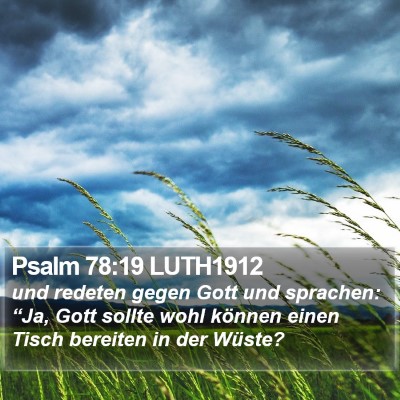

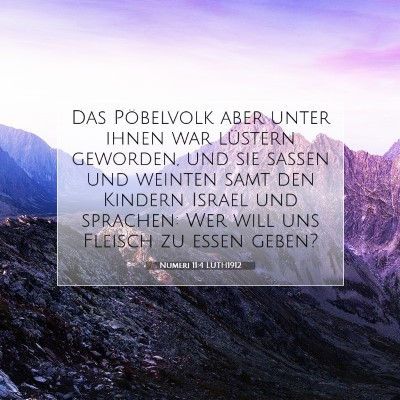

Psalm 78:19 (LUTH1912) – Überblick und Auslegung
Der 78. Psalm erinnert Israel an Gottes wunderbare Taten und an die wiederkehrende Undankbarkeit des Volkes. In Vers 19 erscheinen die Klagen der Wüstenwanderer, die sich gegen Gott richten, weil sie skeptisch werden hinsichtlich Seiner Versorgung. Die Frage, ob Gott wirklich in der Wüste eine Speise bereiten kann, offenbart sowohl Furcht als auch Unglauben. Diese Stelle dient dazu, die Schriftstellerische Methode des Psalms zu beleuchten: Gottes Treue wird in der Geschichte bezeugt, während das Herz des Volkes oft an der Gegenwart Gottes scheitert.
Der Vers im Kontext des Kapitels
Psalm 78 schildert Gottes Großtaten am Volk Israel: Befreiung aus Ägypten, Führung durch Wüstenwanderung, Versorgergott als Quelle von Wasser, Manna und Speise. Doch wiederkehrend zeigen sich Zögerlichkeit, Verzagtheit und Murren. Vers 19 steht hier als Moment der Krisenrede: Das Volk zweifelt an Gottes Fähigkeit, für konkrete Bedürfnisse zu sorgen, wenn die Umstände hart erscheinen. Es ist weniger eine theologische Debatte über Allmacht als eine akute Versuchung des Herzens, Gottes Gegenwart zu hinterfragen, wenn der Alltag zu fehlen scheint.
Kernlehre und geistliche Botschaft
Die zentrale Botschaft lautet: Unglaube in der Not offenbart sich in wörtlicher Klage gegen Gottes Fürsorge. Gott tritt jedoch als treuer Versorger hervor, und der Psalm ruft zur Festhaltung an Seinem Handeln in der Geschichte auf. Die Versöhnung dieser Spannung – zwischen menschlicher Furcht und göttlicher Zuverlässigkeit – stärkt den Glauben, dass Gottes Verheißungen auch in der Wüste gelten.
Bezug zu anderen bíblicen Passagen
Erkenntnisse aus den historischen Kommentatoren
Matthew Henry betont, dass die Klage des Volkes in Vers 19 nicht bloß die Fähigkeit Gottes bestreitet, sondern auch das Vertrauen in Seinen Heilsplan schwächt. Albert Barnes unterstreicht, dass Gott in der Wüste nicht nur materiell versorgt, sondern durch solche Prüfungen die Treue Seines Volkes prüft. Adam Clarke hebt hervor, dass der Vers eine praktische Lektion enthält: Zweifel in Krisenzeiten offenbaren das Herzzustand, den Gott durch Erweise Seiner Gnade wiederherstellt. Die Stimmen der Kommentatoren weisen darauf hin, dass Gottes Geduld mit dem Volk und seine fortdauernde Versorgung trotz Unglaubens exemplarisch sind.
Praktische Anwendung
Zusammenfassung
Psalm 78:19 zeigt eine klare Spannung: Der Mensch zweifelt in Not, doch Gottes Treue bleibt bestehen. Der Vers erinnert daran, dass Unglauben in der Wüste nicht das Ende ist, sondern Anstoßpunkt, um Gottes Größe erneut zu entdecken. Indem wir auf Gottes vergangene Güte zurückblicken, stärken wir unseren Glauben für die Gegenwart und Zukunft.
Cross-References: Exodus 16–17 (Gottes Versorgung in der Wüste); Psalm 105:37–41 (Gottes anhaltende Treue); 1. Korinther 10:9–11 (Lehren aus Israels Wanderung).